
















The 2026 FIFA World Cup™ is set to be the biggest tournament in football history, spanning three nations, 16 host cities, and featuring 48 teams. For fans planning the ultimate football pilgrimage, following your country means executing a masterclass in cross-border logistics.
From navigating the transit networks of Los Angeles, Mexico City, and Toronto to managing visas and flight bookings, this 2026 World Cup travel guide provides the blueprint for a seamless North American football journey.
Part 1: The 16 Host Cities & Iconic Stadiums
The tournament is divided into three major regions (West, Central, and East) to optimize scheduling. However, as teams progress, your itinerary will inevitably require major travel between USA, Canada, and Mexico.
🇨🇦 Canada (2 Host Cities)
- Toronto (Toronto Stadium / BMO Field): A vibrant, multicultural hub. The stadium is compact, walkable, and located right near the downtown core.
- Vancouver (BC Place): Nestled by the False Creek inlet, this stadium is famous for its retractable roof and excellent SkyTrain connectivity.
🇲🇽 Mexico (3 Host Cities)
- Mexico City (Estadio Azteca): The historic cathedral of football. Attending a match at 2,200 meters above sea level in this 83,000-capacity colosseum is a bucket-list experience.
- Guadalajara (Estadio Guadalajara / Akron): A stunning architectural marvel on the city's outskirts, home to a passion-filled football culture.
- Monterrey (Estadio Monterrey / BBVA): Known as "The Steel Giant," this stadium offers a dramatic, photogenic backdrop of the Cerro de la Silla mountain.
🇺🇸 United States (11 Host Cities)
- Los Angeles (SoFi Stadium): A state-of-the-art, multi-billion-dollar arena in Inglewood, acting as a major hub for Western region matches.
- New York/New Jersey (MetLife Stadium): The chosen venue for the highly anticipated 2026 World Cup Final.
- Dallas (AT&T Stadium) & Houston (NRG Stadium): Giant Texas venues with massive capacities, set to host heavy-hitting knockout stage games.
- Other US Host Cities: Seattle, San Francisco Bay Area, Kansas City, Atlanta, Miami, Philadelphia, and Boston.
Part 2: Long-Distance Logistics: How to Travel Between USA, Canada, and Mexico
Managing host cities' transportation over an entire continent requires distinct strategies depending on your route.
| Travel Corridor | Primary Transport Mode | Essential Tips |
| Cross-Country (e.g., Toronto to Vancouver, or LA to Miami) | Airlines (Commercial Flights) | Distances are massive (Toronto to Vancouver is over 4,300 km). Driving is impractical. Book domestic flights months in advance as peak match-day demand will surge. |
| Regional Clusters (e.g., Mexico City to Guadalajara) | Express Intercity Buses / Driving | High-end executive bus liners in Mexico (like ETN or Primera Plus) offer first-class, comfortable 6-hour journeys that beat airport hassle. |
| US Northeast Corridor (e.g., Boston to NY to Philly) | Amtrak Trains | The most efficient, eco-friendly way to move between East Coast cities. Bypasses airport security lines and drops you directly into city centers. |
⚠️ Important Border-Crossing Reminder: Moving between the three countries requires proper documentation. Depending on your nationality, you must secure an ESTA or a visa for the US, an eTA for Canada, and the appropriate digital immigration forms for Mexico before arriving at the gate.
Part 3: Staying Connected Across Three Borders
Imagine this common nightmare: You land in Mexico City, queue for 40 minutes at a local carrier kiosk, and buy a physical SIM card. It works perfectly. Three days later, you catch a flight to Los Angeles for match two. The moment you touch down, your data goes dead. You are locked out of your ride-hailing apps, can't pull up your digital match tickets, and can't access your hotel confirmation.
When you are figuring out how to travel between USA, Canada, and Mexico seamlessly, your digital connectivity matters just as much as your flight tickets.
Why Standard Roaming Fails Fans:
- Exorbitant Roaming Fees: Relying on your home network’s international roaming plan across three different countries will lead to staggering, unexpected bill shocks.
- The Multi-Card Hassle: Buying separate local SIM cards in each country means wasting precious match-day time in lines and constantly swapping tiny plastic chips while rushing through airports.
Option A: The Ultimate Choice—World Cup 3-Country Universal eSIM
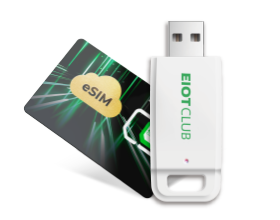
To eliminate the border-crossing data problem, tech-savvy fans are bypassing traditional carriers entirely. By choosing a 2026 World Cup eSIM (North America Regional eSIM), you unlock unified coverage across the United States, Canada, and Mexico on a single digital profile.
With an eSIM, there is no physical swapping required. You buy your data allotment online before you fly, scan a QR code, and your phone automatically connects to local LTE and 5G networks the moment you cross borders.
Option B: For Non-eSIM Devices—Pre-ordered 3-in-1 Physical SIM
If your smartphone doesn't support eSIM technology, you don't have to resort to expensive roaming or airport kiosks. You can plan ahead and pre-order a multi-country physical SIM card online before your journey begins.
For reliable cross-border connectivity, you can purchase the BizGlobeLink SIM Card, which offers seamless data coverage across the USA, Canada, and Mexico. Having this physical card delivered to your home before you leave ensures you can insert it during your flight and have instant, high-speed internet the moment your plane touches down in any of the 16 host cities.
Whether you are navigating the transit map of Mexico City’s Metro, checking player stats at SoFi Stadium, or splitting an Uber fare in Toronto, staying securely online with one transparent plan guarantees a stress-free World Cup experience.
Final Checklist for World Cup 2026 Travelers
- Tickets & Accommodation: Secure your FIFA match tickets and lock in hotel bookings immediately. Rates are climbing rapidly.
- Travel Authorizations: Submit your US ESTA, Canadian eTA, or required visas at least a month prior to departure.
- Transit Strategy: Pinpoint the exact rail or shuttle routes for your specific match-day stadiums.
- Digital Connectivity: Activate your 3-Country Universal eSIM before boarding your flight to guarantee instant, high-speed internet across every single host city boundary.