

















Navigation
With the evolution of internet technology, staying connected is more important than ever. One device that has made this easier is the 4G router. But the question often arises - which SIM cards are supported by these routers? Let's delve into this.
Before we proceed, let's quickly recap what a 4G router is. In layman's terms, it's a gadget that provides Wi-Fi connectivity by utilizing a SIM card that operates on a 4G (fourth-generation) network. Primarily used in areas with weak broadband service or while traveling, it offers flexibility and constant connection.
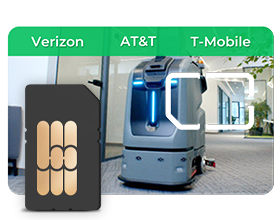
Now, our main question is: What kind of SIM card does a 4G router need? The answer is straightforward. 4G routers are versatile and typically support any SIM card compatible with 4G networks. This means you could opt for a SIM card from any telecom provider as long as their services include 4G connectivity.
But hang on a minute! It's not just about picking any 4G SIM card off the shelf. You need to consider factors like your geographic location, data requirements, and compatibility.
Geographic Location:
Different service providers have different coverage areas, and the strength of 4G signals varies across locations. So choose a provider that offers robust 4G services in your area to benefit from a stable and speedy internet connection.
Data Requirements:
Some people use a 4G router as a backup to their home broadband, while others may rely on it as their primary internet source. Depending on your usage, select a plan that covers your data needs adequately. High-resolution streaming or intensive online gaming requires a higher data package.
Compatibility:
While most 4G routers accept all types of 4G SIM cards, checking the device specifications before buying a SIM wouldn't hurt! Ensure your router supports the specific bandwidth frequencies the SIM card operates on. Some international cards might also require the device to be unlocked to function properly.
Prepaid or Postpaid?
As for whether to go for prepaid or postpaid SIM services, it depends entirely on your preferences. A prepaid SIM allows you to control your expenditure and recharge based on usage, whereas a postpaid SIM could be convenient for heavy users who prefer billed plans.
Conclusion
In conclusion, 4G routers can support a wide variety of SIM cards, making them an adaptable tool for maintaining connectivity. They break barriers, allowing you to access the internet virtually anywhere- during travels or in a remote work setting. All you need to do is select the right SIM card, bearing in mind the factors mentioned above.
So, if you're thinking about stepping up your internet game, a 4G router might be a fantastic option. Remember, with the right SIM card, your connection possibilities are virtually unlimited. Stay connected, stay informed, and surf away without interruption! Choosing the right 4G router and SIM card combination can transform your internet experience for business, education, or entertainment. This guide brings you one step closer to an upgraded and uninterrupted digital journey. Cheers to superior connectivity.