















4G labels can be confusing, but the short answer is simple: in real life, 4G LTE almost always feels better than older 4G. It is built on the same basic idea, yet uses smarter radio tech and a cleaner core network, so apps load faster and feel smoother. To make smart choices about phones, SIM cards, and data plans, you need a clear, practical picture of how 4G works and where LTE fits in.
How Does 4G Work At The Network Level?
4G is a “fourth generation” mobile system that treats everything as data, including calls and texts. Your phone talks to the nearest tower over licensed radio bands, then the tower sends that traffic into the operator’s IP-based core network and out to the wider internet.
Mobile Network Generations
Each generation adds faster speeds and better efficiency. 4G moved mobile internet from “usable” to “real broadband,” so phones and IoT devices could stream, upload, and update in the background. Radio And Spectrum Use
Frequency Bands And Radio Access
4G uses low bands for range and building penetration, and higher bands for capacity in cities. LTE improves how those bands are shared, packing more data into the same slice of spectrum.
All-IP Core Network
4G LTE runs on an all-IP core, so voice, video, and data use the same backbone. This makes handovers cleaner and cuts network overhead compared with older 3G-style cores.
At the network level, how 4G works comes down to digital radio plus an IP core. LTE does both more efficiently, which is why it feels faster and more responsive.
How Does 4G Work In Everyday Use?
For most people, “better” means fewer delays and smoother apps. This is where 4G LTE usually pulls ahead of older 4G or 3G, even if the signal bars look similar.
Browsing And Social Apps
LTE is good at quick bursts of data, so feeds refresh faster and heavy pages with images, and short clips load without as much stuttering.
Streaming And Video Calls
Streaming apps adjust quality based on your real-time connection. Because LTE has lower delay and more stable throughput, it tends to hold HD quality longer with fewer pauses.
Gaming And Real-Time Tools
Games and live tools care about lag. LTE’s lower and more stable latency keeps controls feeling snappy, and voice chat clearer than on weak 4G or 3G.
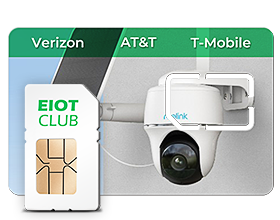
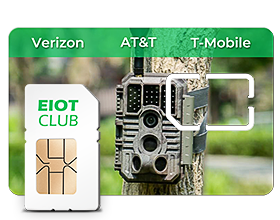
The same idea applies to connected devices: a 4G LTE security camera or trail cam using an Eiotclub data-only SIM will upload clips and send alerts more smoothly than the same device stuck on a weaker legacy 4G or 3G signal.
When you check how 4G works in daily life, LTE’s advantages show up as smoother browsing, cleaner video, and more responsive real-time apps.
How Does 4G Work With Coverage And Battery Life?
A “faster” network is useless if it drops out or drains your phone by noon. Coverage, stability, and power use matter just as much as speed tests.
Coverage Patterns
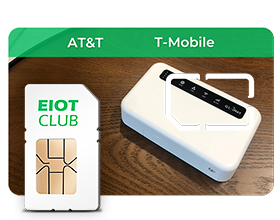
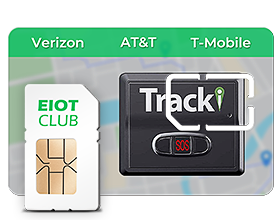
Operators tune LTE for different areas. Low-band LTE can cover wide rural zones, while higher bands help handle dense traffic in cities. Many carriers now build the network with LTE as the main layer and keep only thin legacy layers for very old devices. That wide LTE footprint is also why many IoT SIM products, including Eiotclub’s security camera, trail camera, router, and GPS tracker SIM cards, are designed to work across AT&T, Verizon, and T-Mobile LTE networks so devices can stay online in both cities and remote areas.
Signal Quality And Stability
A solid LTE signal gives steadier performance and fewer random drops. Weak signal on any technology forces your phone to work harder, which hurts both speed and reliability.
Battery Use
Modern LTE chipsets are power efficient when the signal is good: they move data quickly, then return to low-power states. If you sit in a marginal coverage area, your phone may burn battery just to hold the link, no matter if it says 4G, LTE, or 5G.
From a coverage and battery angle, how 4G works is really about radio conditions. LTE can be very efficient, but only if your device sees a stable, healthy signal.
How Does 4G Work When You Choose Between 4G And 4G LTE?
Choosing between 4G and 4G LTE is less about the logo on the box and more about the device, SIM, and plan you pair together.
Device And SIM Checks
Most recent phones, routers, and IoT devices support LTE by default, but bands differ by model and region. Always check that your device supports the LTE bands your carrier actually uses, especially for cameras, trackers, and routers.
Plans, Limits, And Value
Many plans run on LTE but apply different speeds, priorities, hotspot rules, and caps. A “cheap” plan might slow you down during busy hours, so it feels like old 4G even though the radio is LTE.
Practical Upgrade Choices
If you stream and work on the go, or run devices like security cameras over mobile data, LTE is the minimum you should aim for. If your current LTE service feels stable and quick, you may not need to rush into a more expensive 5G plan yet.
Once you understand how 4G works behind the scenes, you can compare coverage, limits, and price instead of just chasing marketing labels.
FAQ about 4G LTE
Q1. Does 4G LTE Improve Call Quality Or Just Data Speed?
4G LTE mainly improves data, but it also enables VoLTE, which is voice over LTE. With VoLTE, calls stay on the LTE layer instead of dropping back to older 3G networks. That means faster call setup, clearer audio, and the ability to use data at full LTE speed while you are on a call. Not every carrier handles this the same way, so you may need to enable VoLTE in your phone settings and make sure your plan supports it before you notice the difference.
Q2. Is 4G LTE Good Enough For Remote Work And Video Meetings?
For most people, yes. A stable LTE connection with a decent signal is usually enough for HD video calls, cloud documents, and remote desktop tools. The key is not peak speed, but consistent upload and download without big drops. If you work from an RV, rural home, or job site, it is smart to test LTE at the exact spots you plan to use, and consider an external antenna or router if your phone alone struggles. LTE can be a solid primary or backup connection when wired options are weak.
Q3. Will My Old 4G-Only Device Stop Working When Carriers Focus On LTE And 5G?
In most regions, basic 4G and 4G LTE are treated as part of the same generation, so your 4G-only device will not suddenly go dark just because a carrier adds more LTE or 5G. The bigger risk comes from very old 3G-only hardware, which many operators have already stopped supporting. Over time, carriers may shift more spectrum to LTE and then 5G, so newer LTE and 5G devices will get the best coverage and performance, but 4G-capable gear should keep working for years.
Upgrade Your 4G LTE Experience
Think of LTE as the “real” 4G experience and older layers as backup. If you depend on mobile data for work, travel, or devices, use what you learned here to check one thing today: your device bands, your plan limits, or your typical signal strength. Then make one upgrade where it matters most, so your next trip, job, or project runs on a 4G LTE connection you can actually trust.
If you are setting up 4G LTE security cameras, trail cameras, GPS trackers, or mobile routers and want a simple way to get them online, consider starting with an Eiotclub prepaid IoT SIM card that is built for 4G/5G data, supports major U.S. networks, and lets your devices stay connected without contracts or hidden fees.